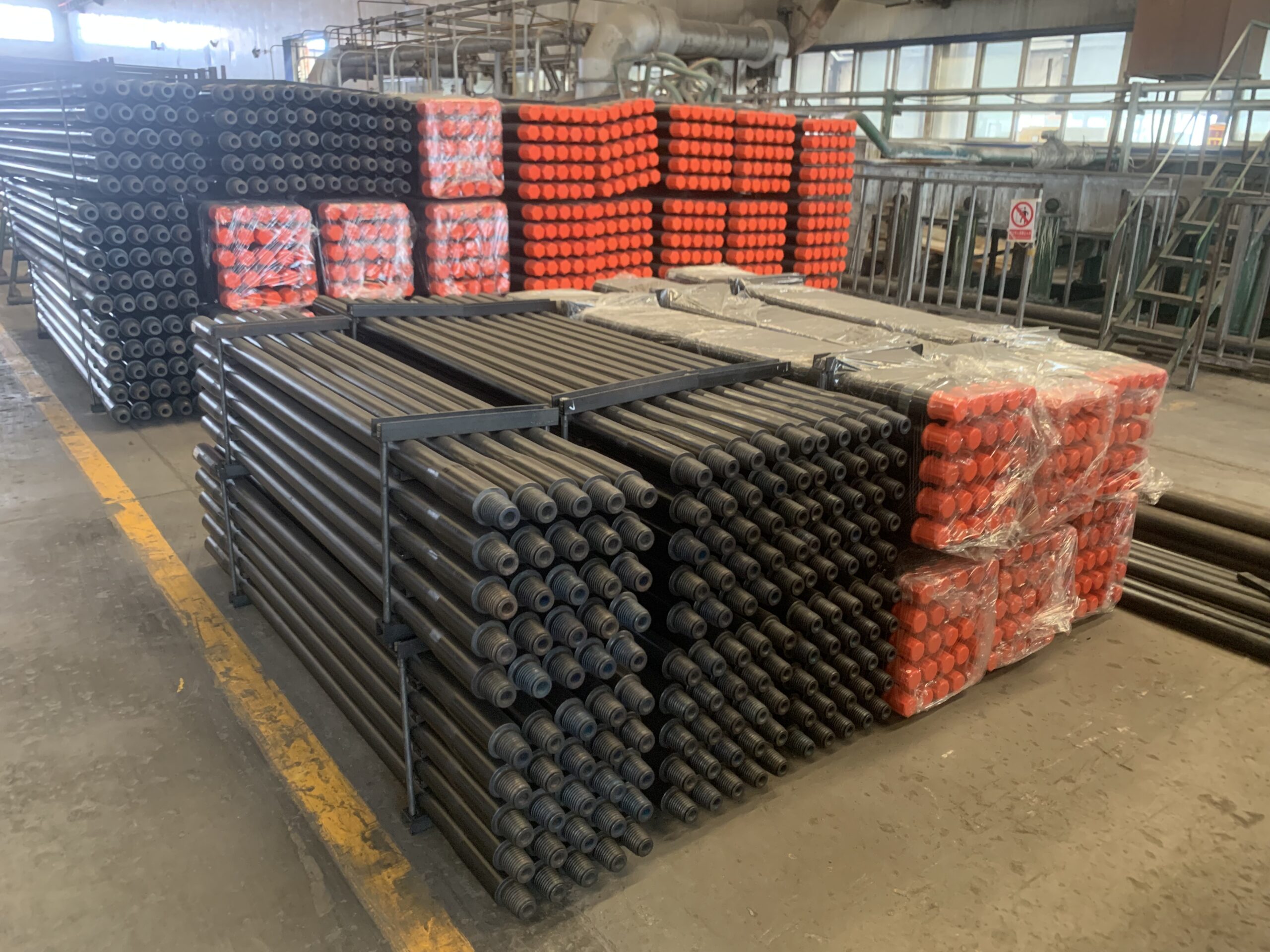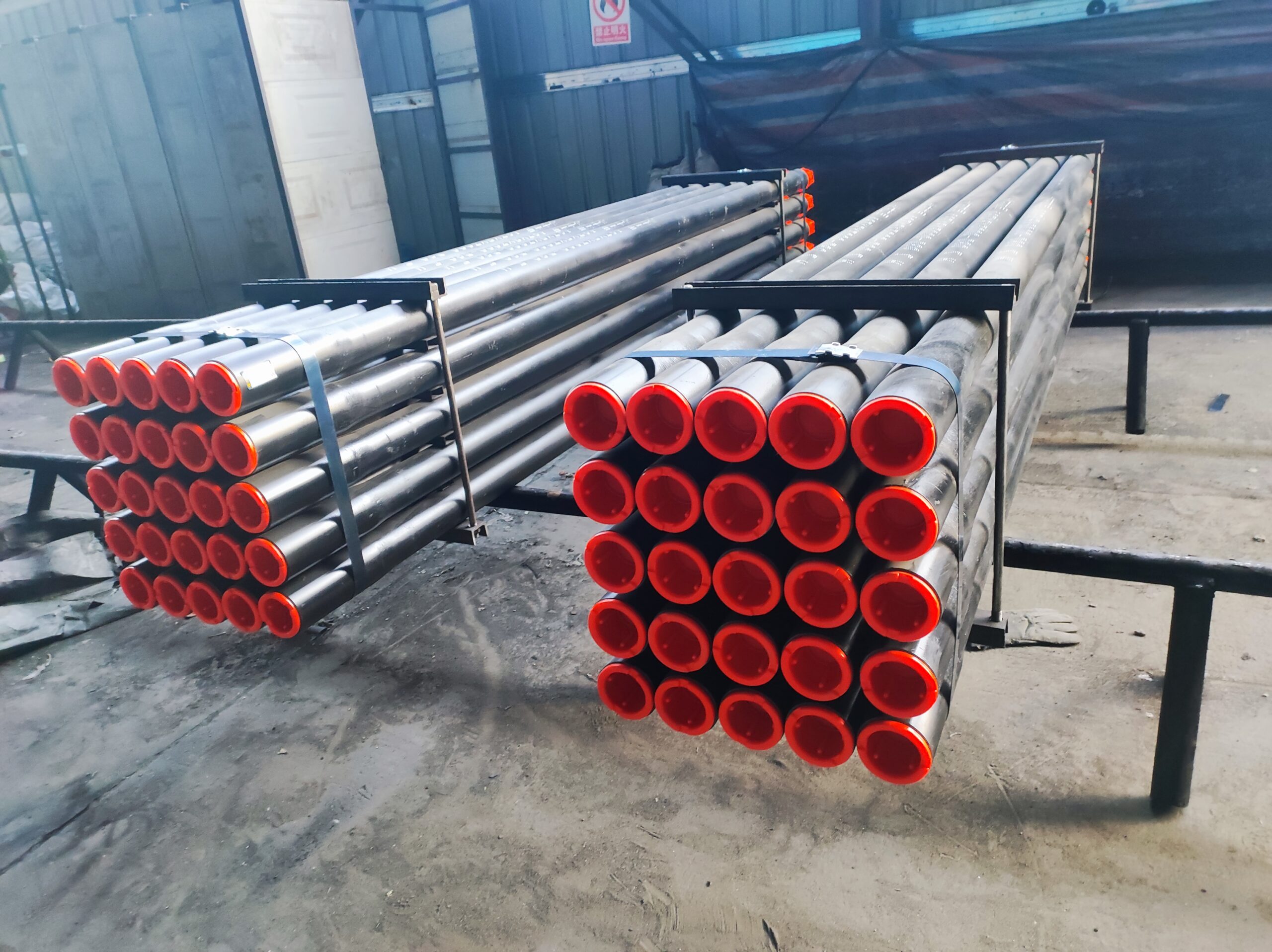
To do a good job, one must first sharpen one’s tools. The improvement of the comprehensive capabilities of an industry cannot be separated from the development of equipment and tool technology. Oil drilling is the process of opening up channels between the surface and oil and gas layers, including three processes: breaking rocks, removing cuttings to protect the wellbore, cementing and completing the well, and forming oil and gas channels. As the saying goes: “If the drill bit is not there, no oil or gas will come out.” The drill pipe is a pipe string that transmits torque (i.e., power) to the drill bit, conveys mud, and continuously pushes the drill bit to drill.
How are drill pipes forged?
The easily accessible oil and gas resources are constantly being consumed, and the number of oil and gas Wells with harsh environments and severe geological conditions is increasing year by year. Drill pipes need to withstand the tests of high temperature and high pressure, chemical corrosion, high-strength tensile force and torque underground. The drilling fluid inside the pipe, the backflow mud in the annulus, mixed with sand and gravel, constantly impact and wear the drill pipe under large flow and high pressure. How does the drill pipe withstand this?
To build a good physique, one should start with raw materials: Most drill pipe manufacturers do not produce steel themselves but often order raw materials (steel pipes and joints) from steel mills. After receiving the order, the drill pipe manufacturer selects the steel proportion scheme according to the design requirements. The commonly used one is “chromium-molybdenum steel”. To meet specific requirements, elements such as nickel, silicon and vanadium are also added. The steel plant will produce and supply products to the drill pipe factory according to the proportioning plan.
Drill pipe execution API5DP (AmericanPetroleumInstitute, the American petroleum institute) standard, standard will be according to the strength of steel is divided into E75, X95, G105, S135, some even use V150. The higher the grade of steel, the greater its strength. Adding different elements such as carbon, chromium, manganese and molybdenum to steel can enhance its strength and hardness, and also improve its high-temperature mechanical properties, endowing it with excellent oxidation resistance and corrosion resistance.
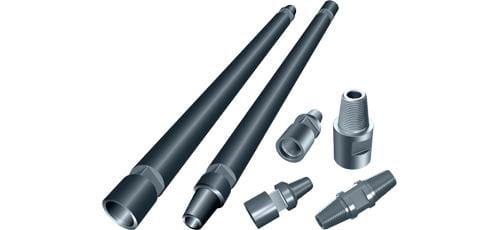
Overall, there are three factors that determine the quality of drill pipes: the formula of raw materials, the differences in key production process technologies, and the control of quality inspection links.